"Can you make it cheaper?" What bargaining with Chinese clients taught us
A Chinese client says your lessons are too expensive. What happened when we simply said yes, and why a discount for private students should always be a trade.
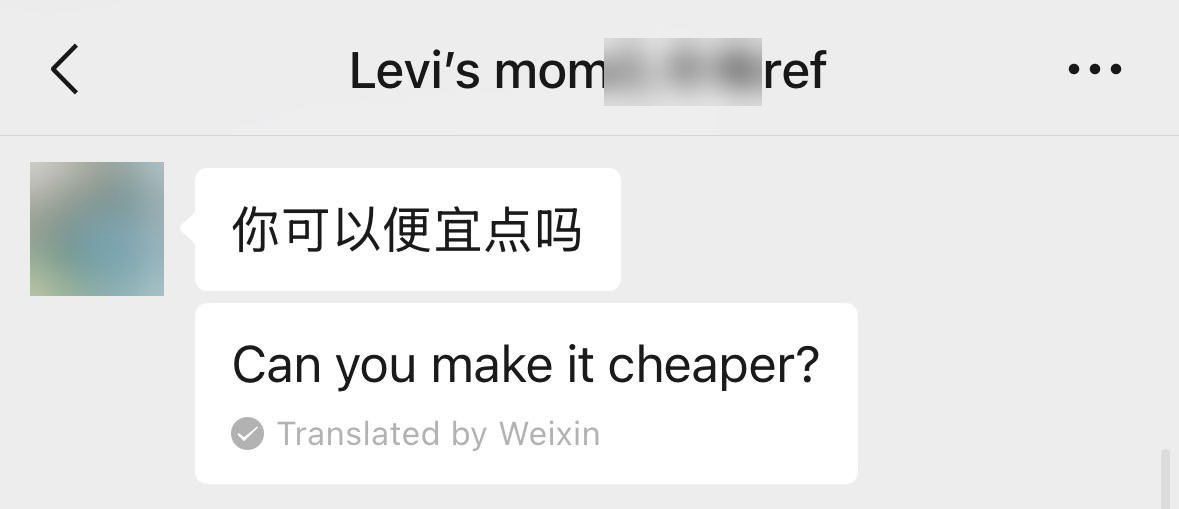
Sooner or later every teacher who works with Chinese families directly gets this message. You send your prices, and the answer comes back: “Teacher, it’s too expensive.” In China, asking for a better price is a normal part of buying almost anything, so there’s nothing insulting about it, and a client who bargains is usually a client who’s interested. What matters is what you do next. We learned that part the expensive way.
The first and last time we just said yes
It happened right at the start. A client told us our lessons were too expensive, and we reacted the way most teachers would. We didn’t want to lose the family, we really needed the client, so fine, we’d meet them wherever they liked. We asked, “What’s your budget?”, got a number well below our price, and agreed to it.
That’s when the chaos started. The client had pushed our price down once, and from that moment it felt as if we were working for them. Soon they were setting the cancellation rules as well, cancelling lessons and not paying for them. Then came the comments on the course. They watched our lessons closely and sent us notes on how to teach, as if the teacher in this arrangement was them.
That was the first and last time we gave a discount just because a client said “too expensive”. A lot can hide under a discount like that, and almost all of it turns into stress further down the road.
A discount for what?
This is the question we now ask ourselves every single time a client wants a lower price. A discount on its own is a gift. In a service it should be a trade: you give something up, and the client gives something back.
There is a place for help with no strings attached. If it’s a family you know in real life, or someone dear to you, you can lower your price simply because you want to, and that’s fine. Clients are a different story. You’re offering a service, so every step you take towards them should come with a step from their side.
In practice, the client’s side of the deal is almost always a longer package. Most clients would rather pay for each lesson after it happens. So when a discount comes up, the answer sounds something like this: “Okay, a little less per lesson, and you buy at least ten lessons.” That’s a fair exchange. The client gets a better price, and you get ten lessons booked and paid for, from a family that has decided to stay a while.
The longer the package, the bigger the discount can be, and over time that’s how you come out ahead. Agree to a lower price with nothing in return, and you hand the client leverage over you while getting nothing back.
Working out your own packages? Our free Lesson Package Calculator turns your price for one lesson into packages of 10, 20, 30 and 100 lessons, with the package terms already written in English and Chinese. Get it free
If you’re still deciding on your price in the first place, we wrote about that in How much should you charge for online ESL classes?
One more thing. We have a whole case from one of our teachers, a non-native speaker, who heard “it’s too expensive” and “give us a discount” from clients again and again. Her real chats show exactly how she handled it, and that’s a story of its own: A client asked our non-native teacher for a discount. Here’s the whole chat.