
You watched every tutorial and still don't know where to start
How to start teaching English online to Chinese students when tutorials skip the real questions: what the lesson is for, what to charge, what comes next.
There’s a whole internet of tutorials on how to start teaching English online, and we suspect you’ve watched most of them. They show you how to fill in a profile, which apps to download and where to point the ring light, and then the video ends right where your real questions begin.
We came to online teaching from offline, after living and working in China, so we already knew how to work with children and what makes Chinese clients different from clients anywhere else. And still, when we started on our own, there were things nobody had told us. These are the ones we’d tell anyone starting today.
Nobody told us the real job is getting kids to talk
In China the request for English is very specific. Chinese schools usually cover listening, grammar and reading, and speaking rarely works out in class, so a child often understands a lot and says very little. That makes getting the child to talk the most valuable skill a teacher can have: running free talk, asking the right questions, leaving the book behind when the moment calls for it, supporting them on a hard day and keeping the pressure low, because most of these kids already have a week packed with extra classes. Over time you become a long-term partner for the child, a friend they’re comfortable talking to, and for these families that counts for a lot.
Nobody told us what to charge
The most confusing part at the start was the price of our own lesson. We had always worked for platforms, where we got a fixed $8 for 25 minutes and had no idea how much the platform charged the client for that same lesson. So we didn’t understand the market at all, and we made mistakes in both directions.
The first time a client asked how much a lesson cost, we said 300 yuan, and that was the last we ever saw or heard of them. We like to think they’re still recovering.
Then we swung the other way and tried to go below even the lowest price on the market, and that’s exactly when the clients who like to take advantage of it showed up. They didn’t value anyone’s time: they could cancel ten minutes before the lesson and not pay, and some of them were simply abusing the free demo, with no intention of starting anything long term. They were choosing our free lesson, and we just happened to be attached to it. Speaking only from our own practice, these clients turned out to be the most difficult ones we’ve ever had, with the most complaints, the most back-and-forth over every detail and endless debates about everything.
Once we saw it, we stopped giving free demos altogether, and that turned into our first filter. A demo for the price of a cup of coffee is something any client who is serious about long-term lessons can afford, we’re convinced of that, and the ones who were only collecting free lessons simply don’t book. We go through the demo in detail in chapter 8 of the guide.
Just starting out? Our free checklist “Are You Ready to Teach English Online?” shows what you already have and what’s still missing before your first client writes to you. Get it free
Where our price finally came from
Much later, once we’d accepted that 300 yuan had probably been a little ambitious, we asked the teachers we’d worked with on the platform what they charged. The numbers were all over the place, but having a reference was enough, and we arrived at our own average. We’d like to underline that word, average. Dumping is the one route we’d never recommend to anyone, based on everything we’ve been through. It looks tempting, and it’s a dead end. We wrote more about how the market sets the price in How much should you charge for online ESL classes?
And nobody told us what happens after the first lesson
Nobody explained how families actually come to lessons and how the whole thing is organised: what a package costs, whether clients buy packages at all, what they happily pay for, whether a referral program makes sense and how to keep a family once they’ve started. Building a long relationship with a family was something we learned along the way, and it’s what we now teach the teachers who come to us for help.
The subtle culture of marketing to Chinese families, and the art of bargaining with them, didn’t come with instructions either. We’ll get to both in the next articles.
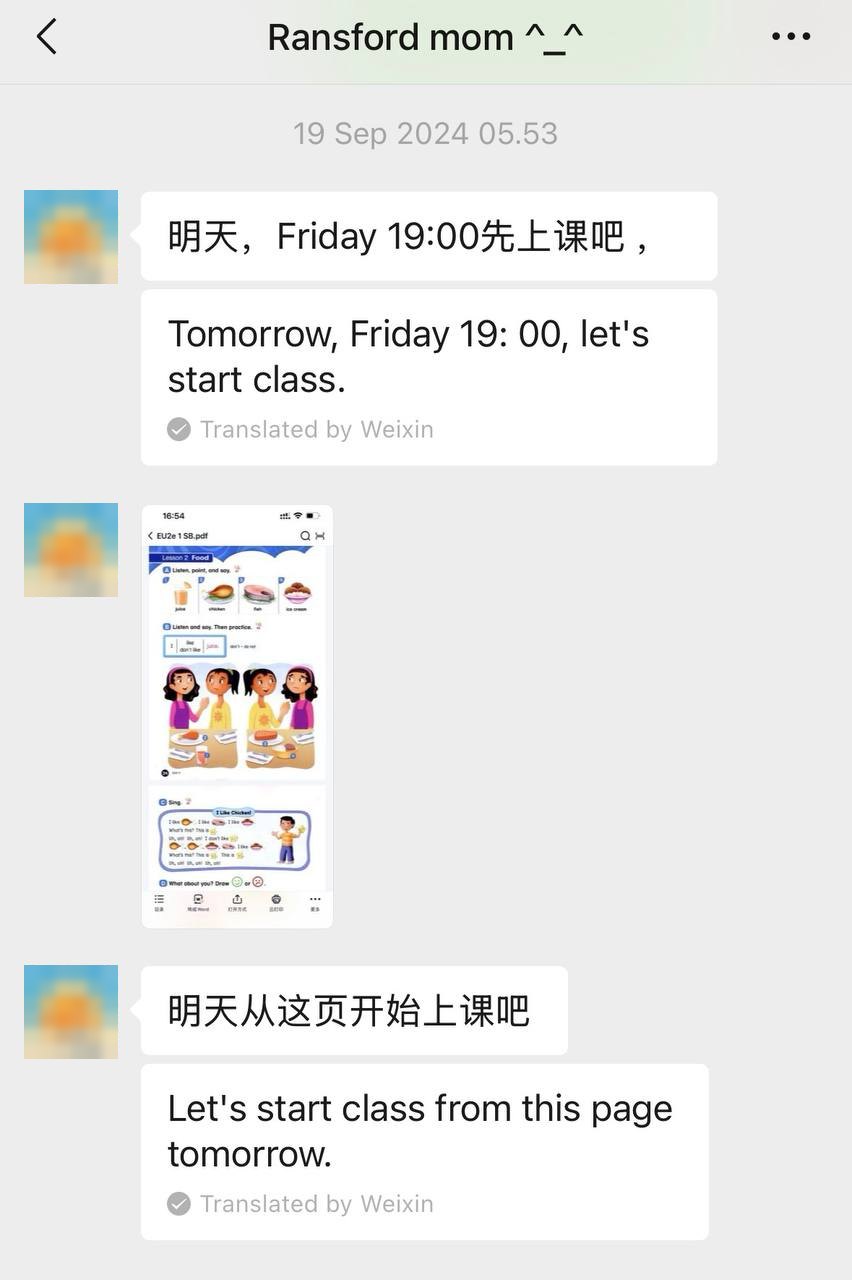
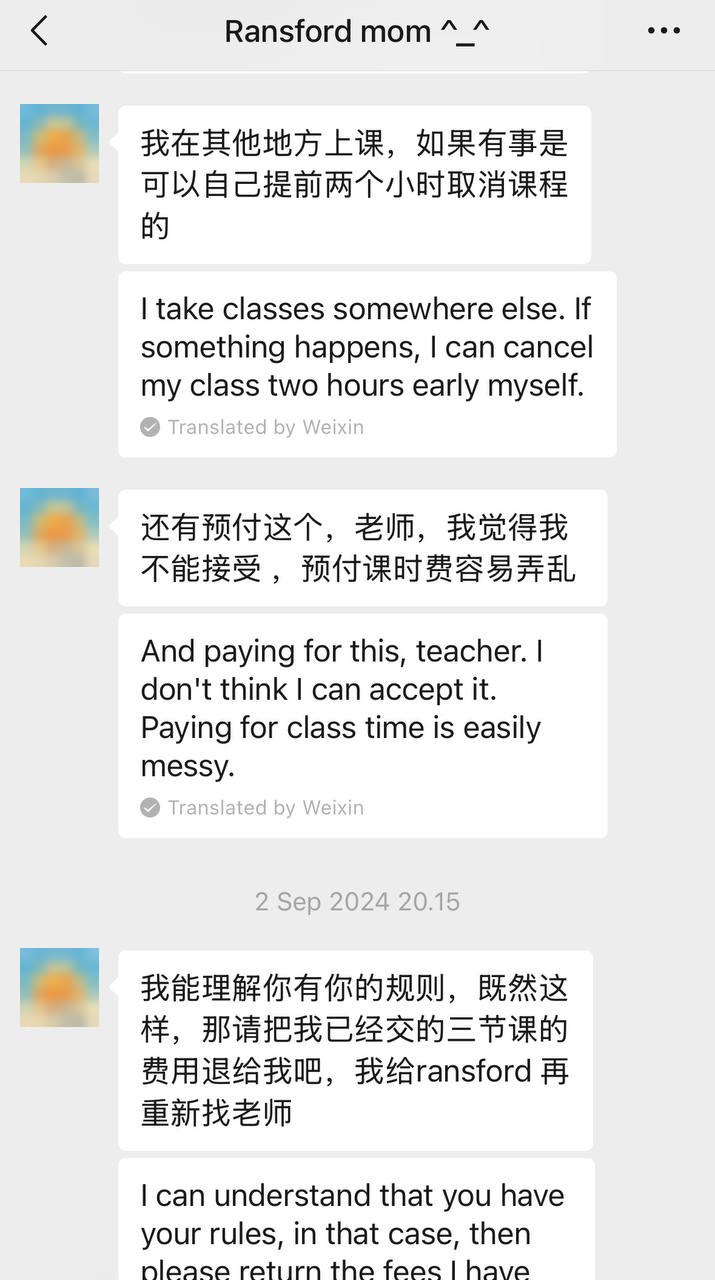
Here’s one family from our own chats that shows what we mean about the cheapest clients. The client bargained with us for a discount for a long time, and in the end we agreed. After that the cancellations started, two or three every single week, and for every lesson she picked a different book. In our experience it’s always the same story: the clients who pay the least want everything at once, and then they hold you accountable for it on top.
Everyone starts somewhere
Everyone has to start somewhere, and everyone’s point of entry is different. Some people arrive when the market is already overheated, some got in at the very beginning and have been here ever since, and some keep walking around the outside without understanding how to get in at all.
Since 2021 there hasn’t been much more information about this market. A teacher who has no idea how to get into it ends up collecting the information piece by piece, and the pieces often differ, contradict each other or simply don’t exist, because there’s no single place that brings them together. We’d like to be that place for everyone who wants to start teaching online and become an online ESL teacher, and we’ll keep sharing our experience of the Chinese market right here.
We cover many of these questions in the guide, and there’s a lot of useful material in our articles as well. You can subscribe to our news, ask us a specific question on our contact page, or start with the free checklist “Are You Ready to Teach English Online?” right here.
We wish everyone luck on this road, and we’re sure you’ll get there. Stay with us.