How much should you charge for online ESL classes? A serious talk about the market
How much should you charge for online ESL classes? Nine in ten Chinese families want General English, and the market sets that price, whatever your niche.
Every few weeks somebody in a teachers’ group asks how much they should charge, and by the next morning the thread is full of advice that sounds wonderful. Pick a niche, call yourself a phonics specialist or an IELTS coach, start high, and families will happily pay $35 an hour or more for an expert. We’ve read a lot of those threads, usually far too late at night, and every time we wonder where all these families are, because we’d love to meet them.
So this is our serious talk about the market, after five years of working with Chinese families directly and watching the teachers we’ve helped go solo do the same.
Nine out of ten families want General English
In our practice, about nine out of ten families who write to us want General English for their child. The teachers we’ve helped get started see the same thing, and so do the teacher friends we compare notes with, year after year. A niche on your profile barely changes that request, and we went through how it plays out in the chat in Why Chinese clients go quiet after the price.
Out of every ten families who write to us
9General English for their child1Everything else
General English for kids is a huge market with thousands of teachers in it, and its price is simply the price those thousands of teachers charge.
We’ve never seen $35 an hour on any real scale
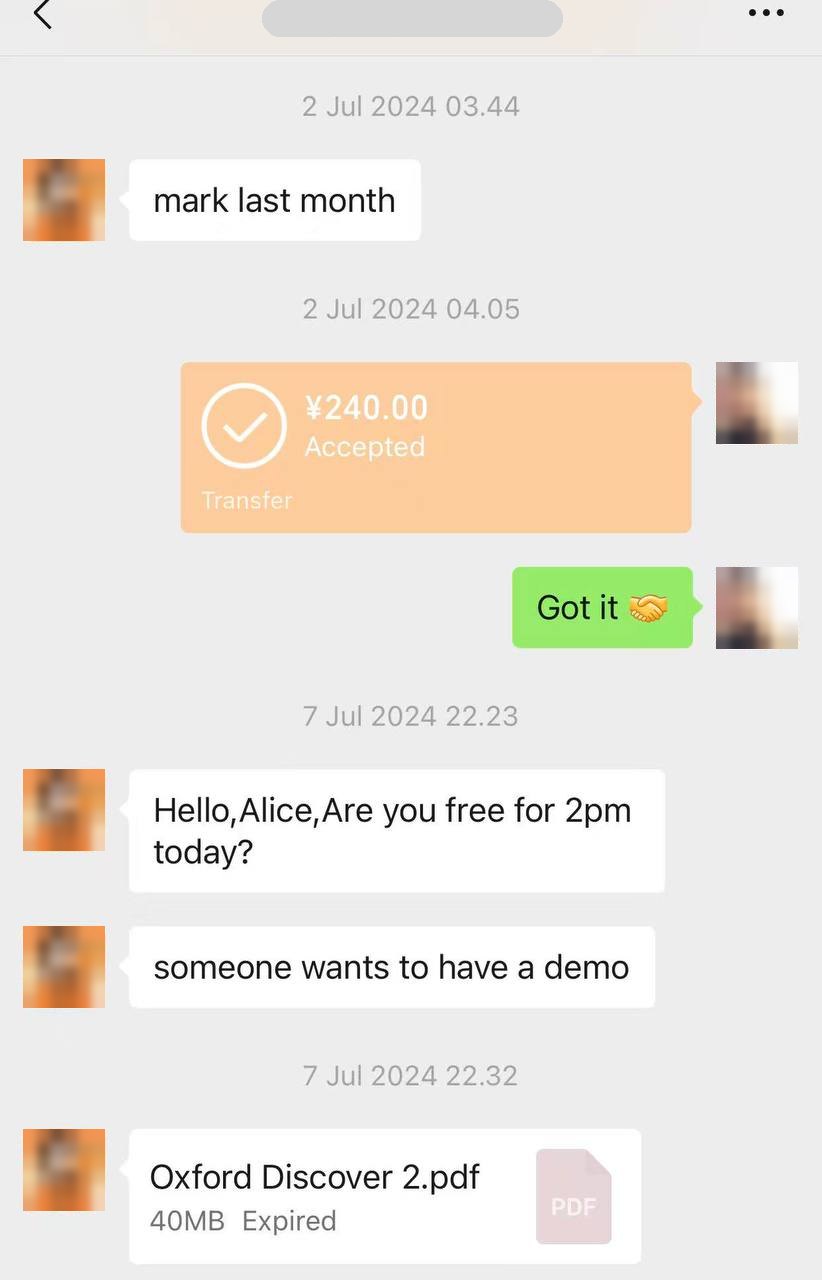
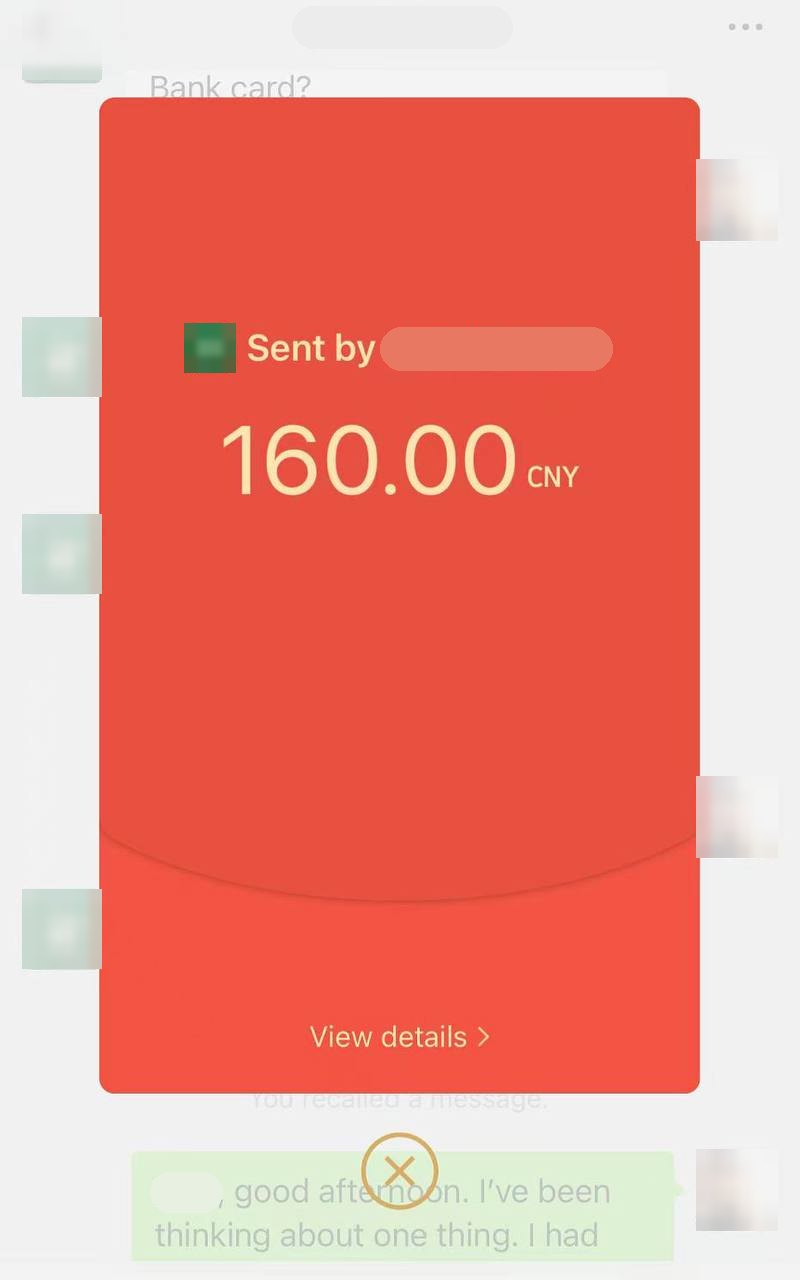
Families paying $35 an hour as a normal thing is something we haven’t come across, in our own chats or in the chats of anyone we know. Those prices probably do exist somewhere. To get them, though, you’d need to be someone genuinely special, and you’d have to be ready to wait a very long time for that one client while turning down every family writing to you right now who would happily study with you for less. It’s a bit like refusing every dinner invitation for a year because one day the Ritz might call.
Working out your own price? Our free Lesson Package Calculator turns your lesson price into packages of 10, 20, 30 and 100 lessons, with the package terms already written in English and Chinese. Get it free
The average always works
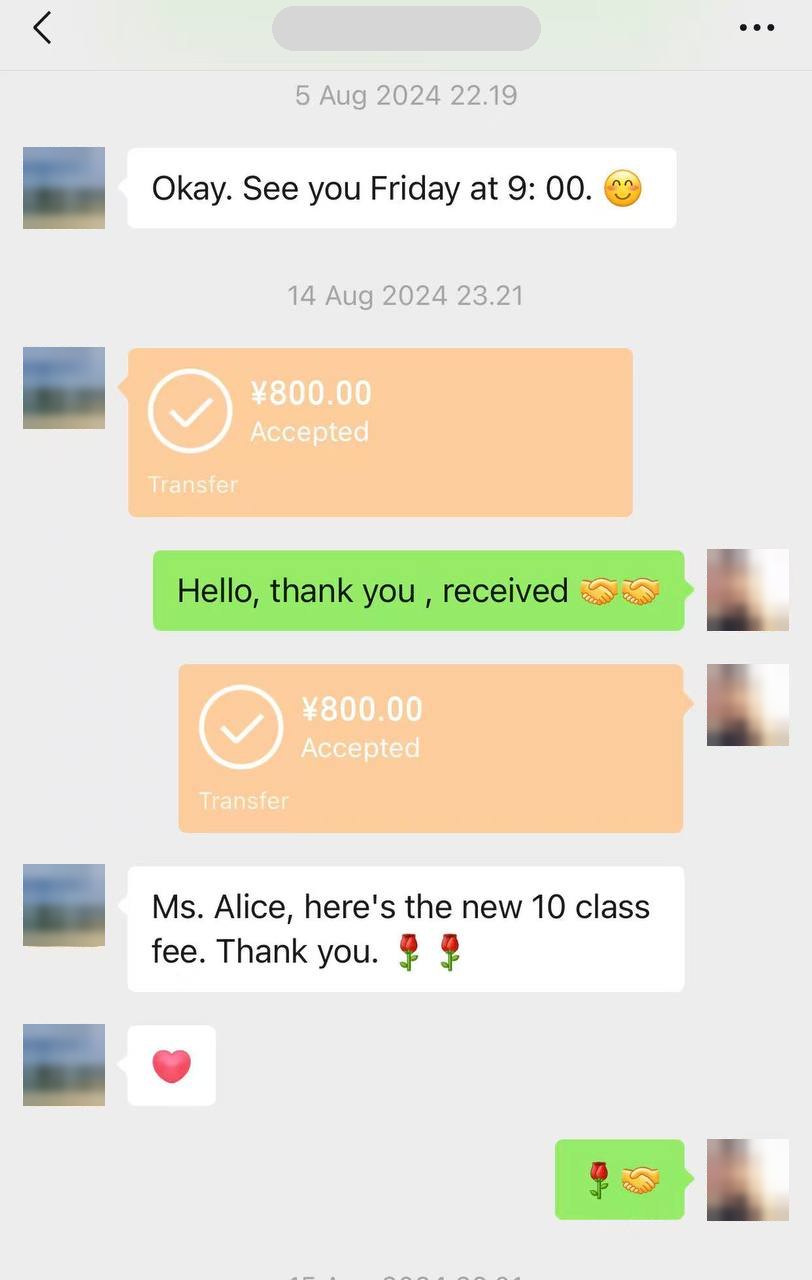
Averaging works pretty much everywhere and always. When a family compares you with the other teachers they talked to that week, they’re comparing you with the market, and a price close to it keeps you in the running. That’s why we think staying close to the average is the best strategy for most private teachers: it fills your week with the families who are here today, and a full week is a lot easier to build on than an empty one waiting for the perfect client.
Standing out with your price
When teachers want to stand out, many of them drop their price a little below everyone else’s. That’s dumping, and it leads nowhere, but it’s a whole separate story and we’ll tell it in another article.
There’s also a group of teachers who go the other way. To them it feels logical: show yourself from your best side, put the certificates up front, mention twenty years on the market, and stand out by charging more. In the real world this strategy works even worse. You can believe you’re the best teacher out there, and even if that’s true, the market still pulls toward the average. Families look at the market too, and nobody can see from the outside what you know you’re worth. The only way to show it is by working.
A high price meant to set you apart leaves you waiting for the perfect client, at a time when what you need is to start teaching as soon as possible and find out what families actually ask for. The one way to raise your price that we’ve seen work is gradually, with the families who already pay you, once you have them.
So be realistic, and flow with the market.